Don't Trust the Process
In their book Nudge, Richard Thaler and Cass Sunstein outline two systems of thought that go into decision-making:
- Automatic: the "lizard brain" or "gut instinct" system
- Reflective: the "logical" or "well-reasoned" system
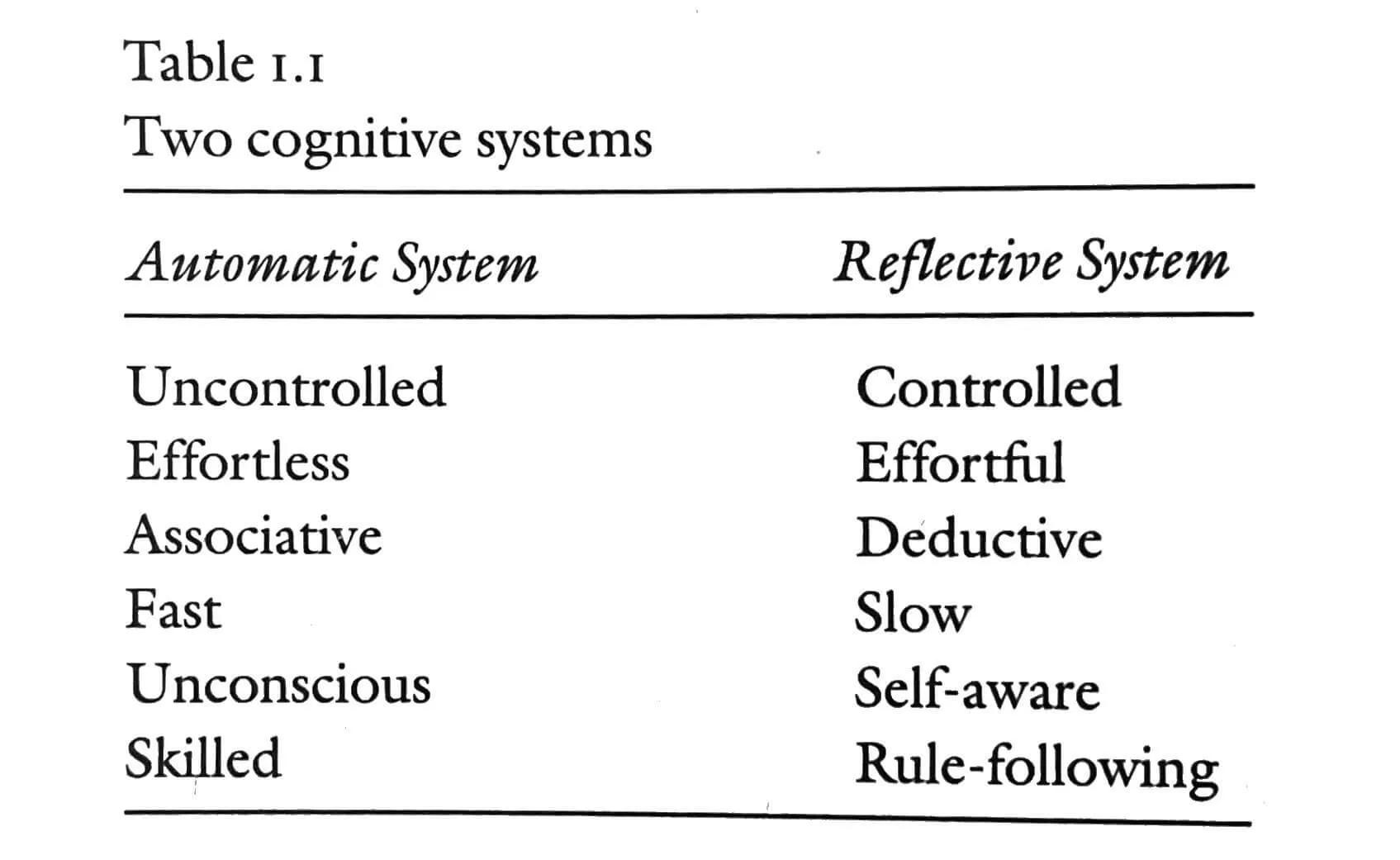
If we were all robots, we'd all be Reflective, all the time. But it's impossible to operate that way. Automatic decision-making is much faster and easier. That's why Sunstein and Thaler suggest choice architects (aka leaders) should present options in a way that makes certain desired outcomes appealing, while still preserving free will. This is called a nudge.
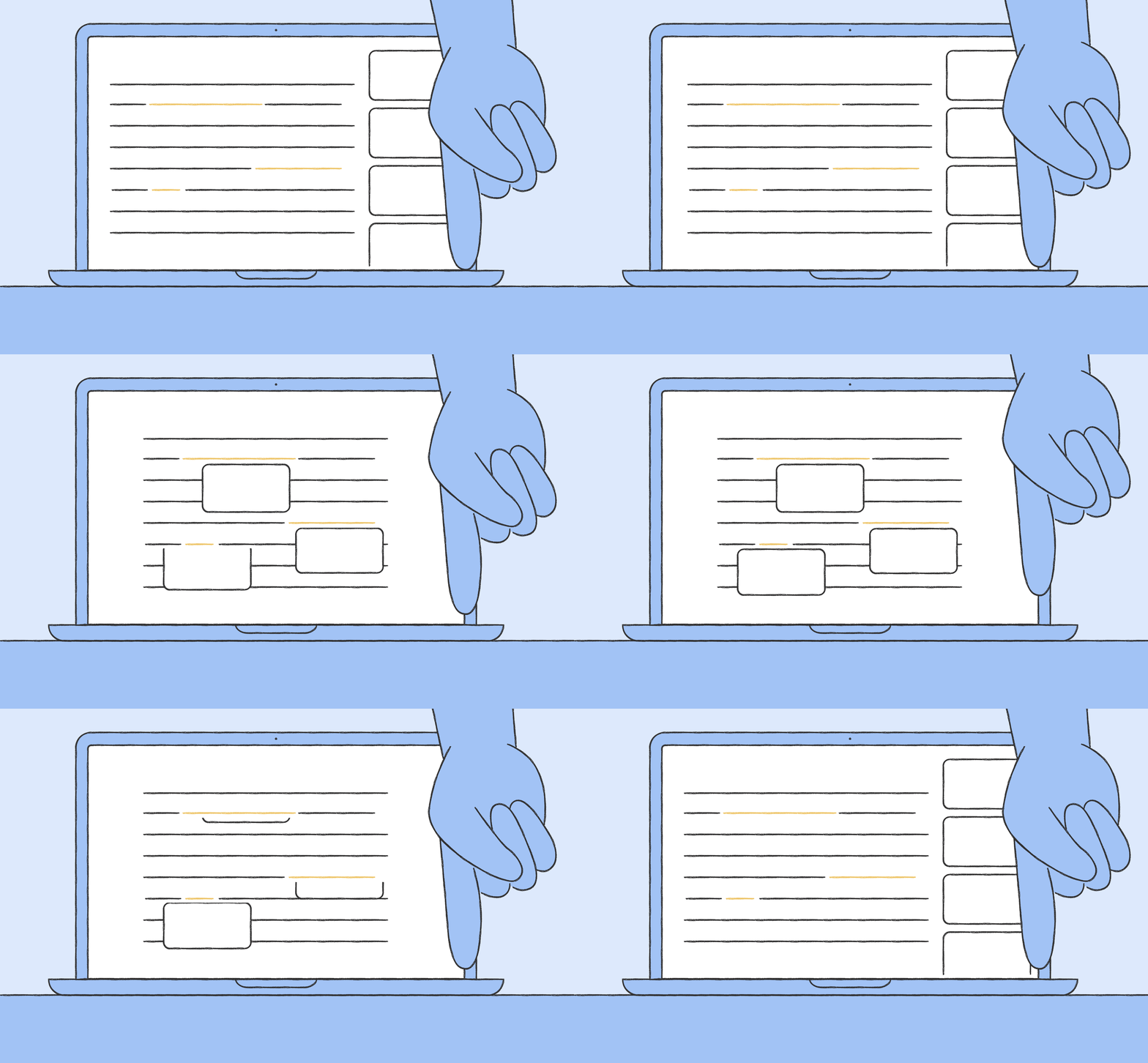
UX designers know nudge theory well. It's why some software features are more visible, and others are hidden; it's why Airbnb hides guest and host reviews for each other until both are written; it's why Netflix asks, "Are you still watching?" three episodes into a series (the company doesn't wish to slow down consumption for the good of your health, it's actually cheaper from a licensing perspective).
Nudges are not only helpful from a user behavior perspective. They're also powerful internal tools. At some point or another, a growing startup faces the question of process. Process at a company is essentially an internal UX problem: how do you efficiently and effectively nudge people to take desired actions?
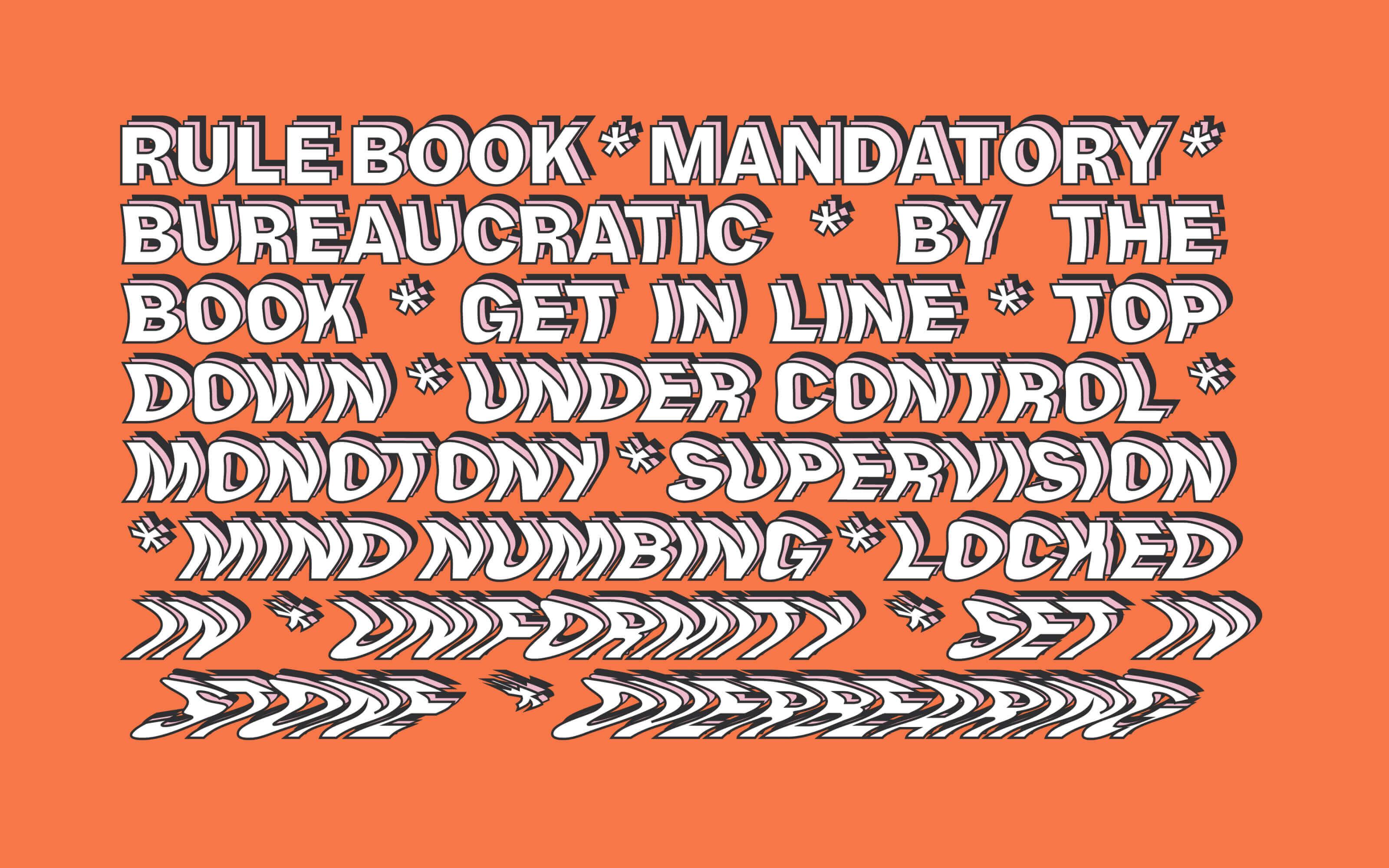
You are probably already nudging employees in some ways. These are likely your most effective processes - ones in which employees can choose their actions, but the actions they prefer are the ones that benefit them individually and benefit the company as a whole. This is in contrast to rigid (and arbitrary-seeming) "set rules" which employees will inevitably rebel against.
Examples of rules vs. nudges
You didn't think we'd leave you without ideas for implementing better process in your team, did you? Here are some ideas to nudge you in the right direction.
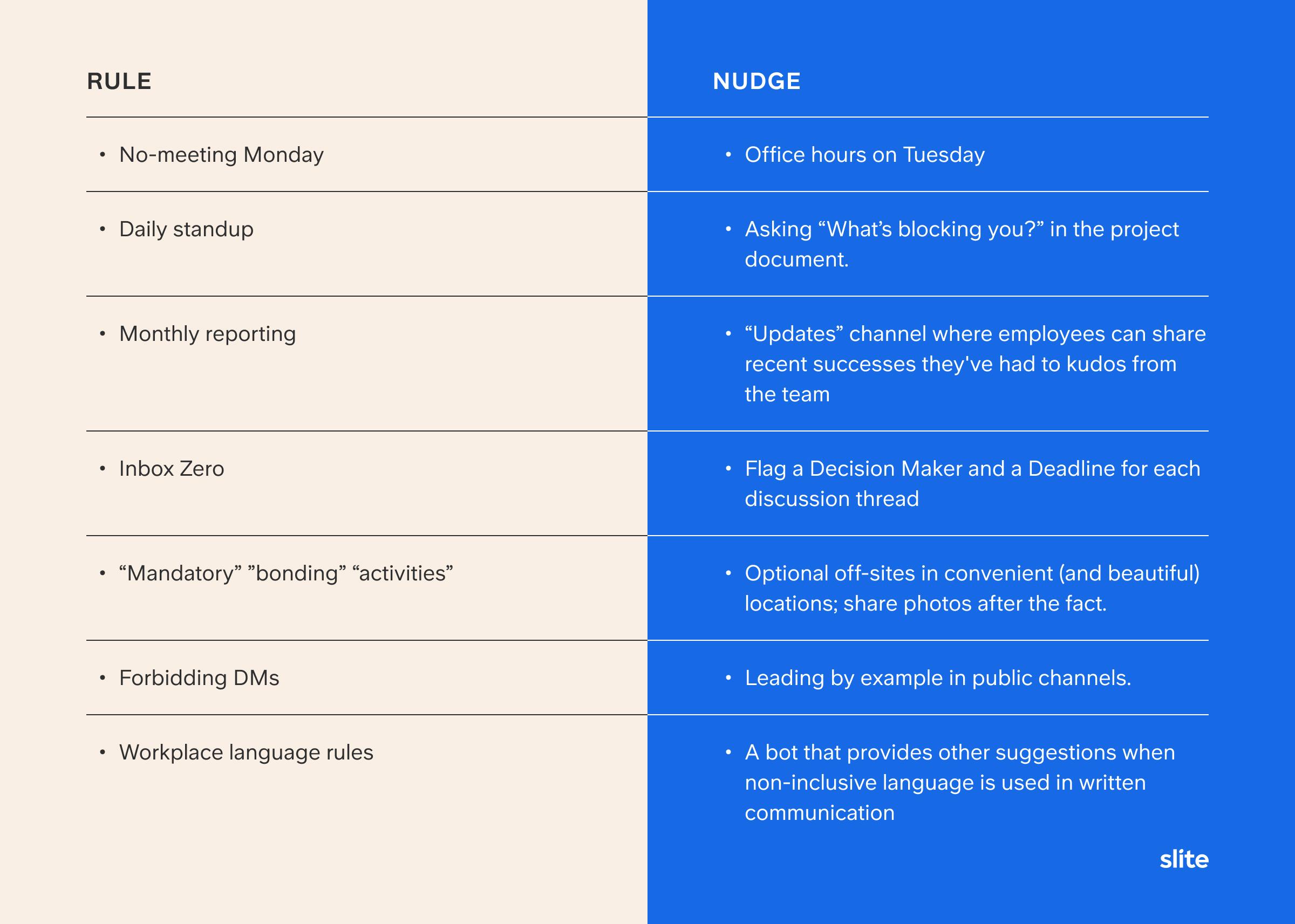
People know when a process is created in order to set them up for success vs. one that exists because you don't trust them. That's why nudges are great for remote teams - they preserve autonomy for independent-minded folks, and positively reinforce good decison-making.

Écrit par Melanie Broder
Melanie Broder is on the Marketing team at Slite, where she works on all things content. She helps Slite users gain new skills through guides, templates, and videos. She lives in New York City, where she likes to read novels and run loops around Central Park.