When your business combines orthopedic science with luxury high heels, precision matters - both in product and process. Maison Baum creates high heels with orthopedic footbeds that make comfort and elegance coexist. But as they grew from a German startup to an international operation, they needed their team documentation to be just as well-engineered as their shoes.
Working with manufacturers in Portugal, managing B2C shoe sales and B2B component sales (orthopedic footbeds and carbon outsoles), and coordinating with multiple external contractors, Maison Baum's small core team handles complex operations daily.
We spoke with Head of Operations Iryna Kabatova about how they manage to keep everyone on the same page.
Too many moving parts, too little structure
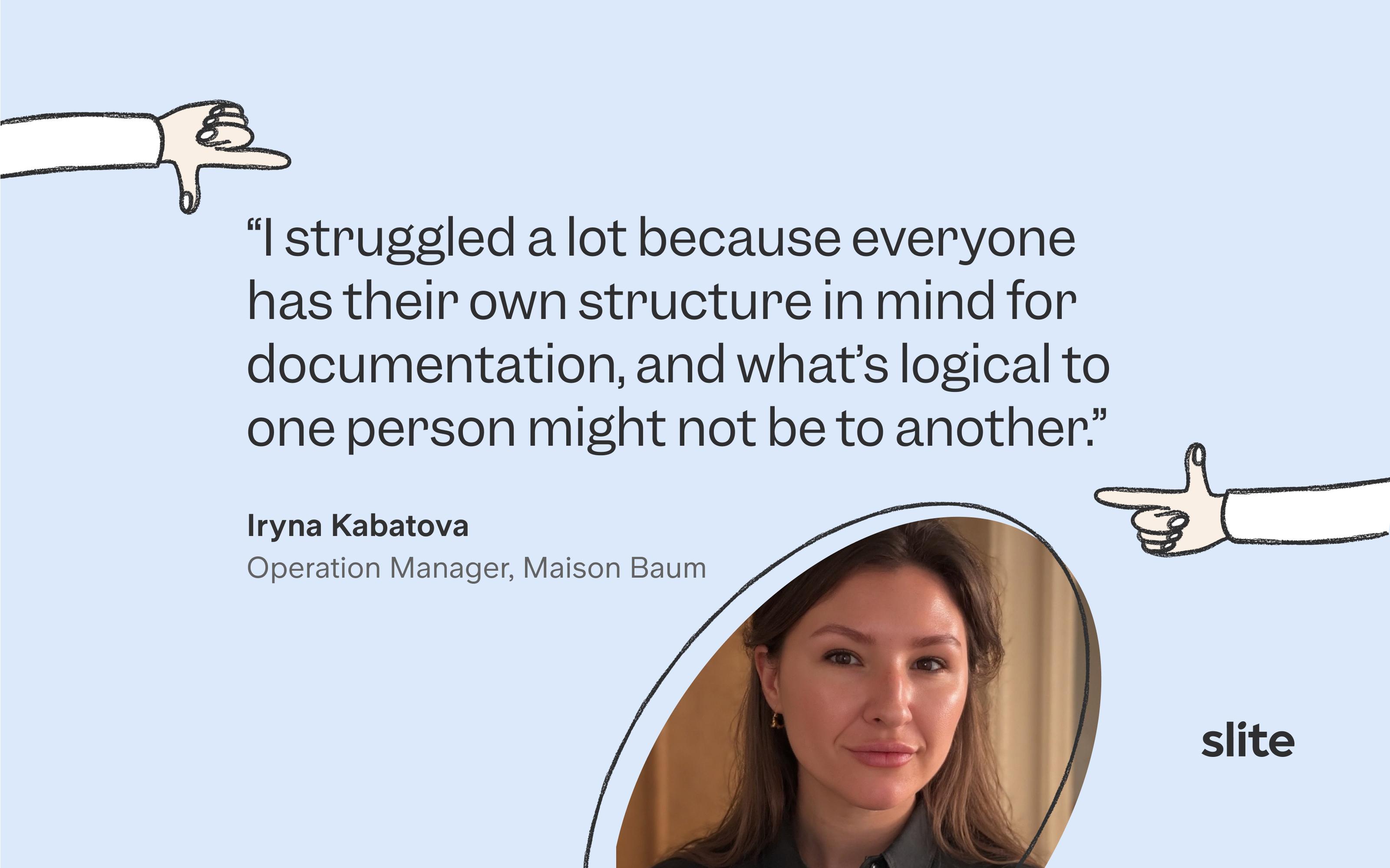
When Iryna joined the team, she encountered a common small startup challenge. Their CEO z handling B2B and Iryna was taking care of B2C. As other young startups, they wanted to keep a lean team. But on the other hand, they were working with contractors
As a German company that started with only German employees, their documentation was initially created in German. Even as they expanded internationally, these German documents remained untranslated, creating navigation challenges for new team members.
"The challenge is that unless it’s your own document, it’s often hard to know where to look."
Finding their footing
For a company moving as fast as Maison Baum, the solution needed to be both flexible and reliable. Their requirements were:
- Easy access to information for both internal team and external contractors
- Ability to organize documentation that changes frequently
- Simple way to share specific sections of lengthy documents
- Reliable document history and version control
With external contractors handling customer support, development, and marketing, plus internal operations management, they needed a system that could work for both in-house and external teams.
A structured step forward
The team found their rhythm with a documentation system that matched their pace. While many startups struggle with overcomplicating their tools, Maison Baum took a practical approach. They organized their knowledge base into clear categories, from infrastructure guides to supplier contacts, making information accessible to everyone who needed it.
"It's really cool how you can create a document with many chapters and topics," Kabatova explains. "Being able to share links to exact sections helps a lot, especially with documents like customs instructions that cover multiple countries and scenarios."
The results that matter
For Maison Baum, success is measured in everyday efficiency:
- External teams can now access specific instructions without getting lost in irrelevant information
- Interns and new team members can find what they need to get started
- Project management and documentation live in the same space
- Teams can maintain their fast pace without losing track of important information
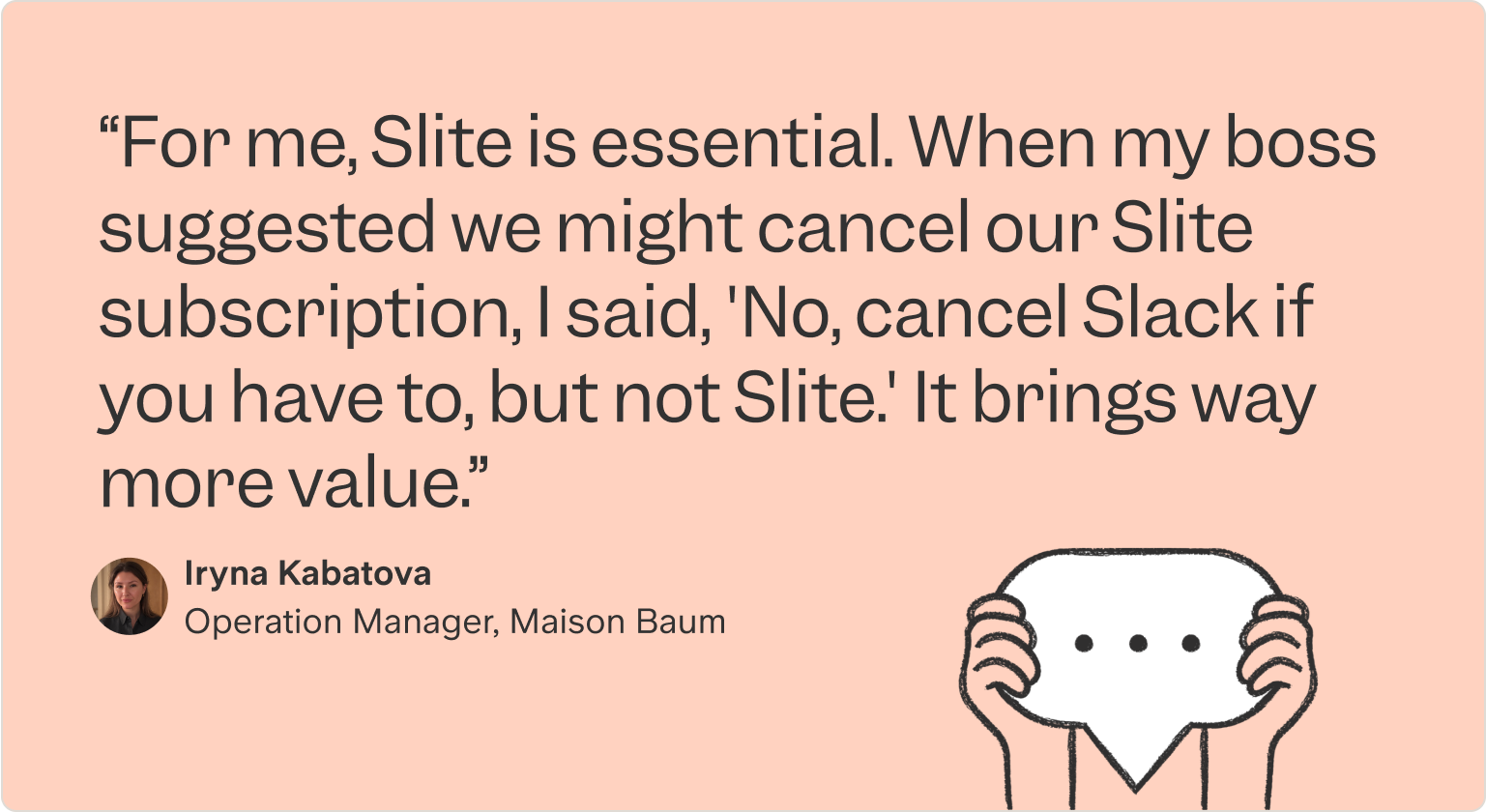
When asked about the value of their documentation system during a cost-cutting review, Iryna's response was clear:
Looking ahead: Documentation that grows with you
For a startup in rapid growth mode, flexibility is key. "We can have so many changes in one month," Iryna explains. "I might launch a new returns process, start a new shoe wear testing program, and update refund rules all at once." Their documentation system needed to keep up with this pace while remaining reliable.
Practical Tips from Maison Baum's Experience:
- Use emojis and visual cues to make navigation intuitive: "Sometimes it's easier to remember the emoji than the folder name"
- Keep essential documents accessible to external contractors through public sharing
- Structure information in a way that makes sense for different team members' needs
- Structure search terms carefully - the same information might be called different things by different team members
- Don't overcomplicate - focus on what works for your team's size and pace
When asked to explain their documentation system to a family member, Iryna puts it simply:
"It’s like a living encyclopedia — Google for the company. You can find information about projects, processes, roles, and structures, all in one place, like a digital handbook."
That's because good documentation, like comfortable shoes, makes all the difference in how your team moves forward.
If your team needs a place where knowledge flows freely - across countries, languages, and time zones - you might find what Maison Baum found in Slite. Want to talk it through? Book a demo here.